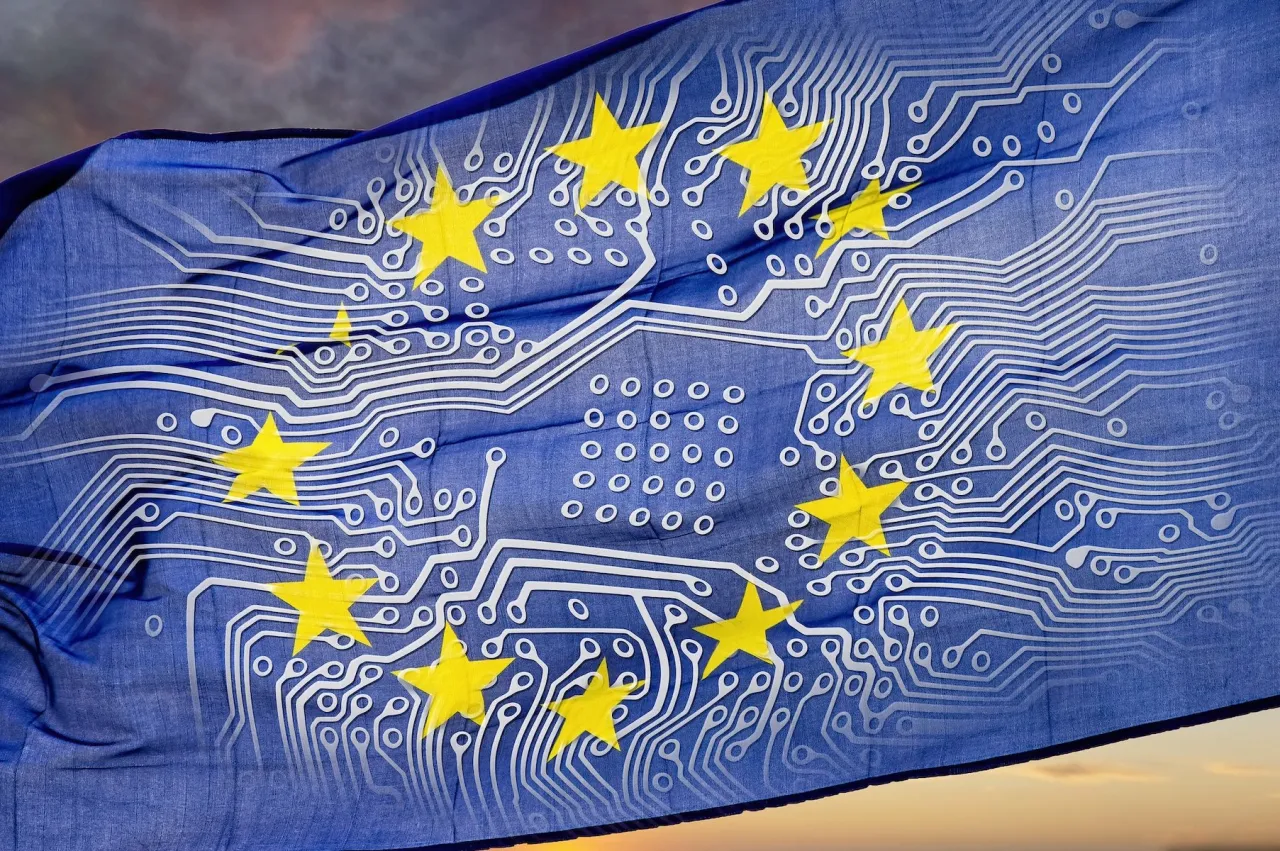
As the European Union moves forward with its ambitious Technological Sovereignty Package, the conversation often centers on industrial competition and reducing dependencies on foreign Big Tech. However, true sovereignty is not just about where the servers are located, but about who holds the power: the state, the corporations, or the citizens.
What is the Technological Sovereignty Package?
The European Commission defines technological sovereignty as the ability of Europe to develop, control, and scale the critical technologies (such as data, infrastructure, and services) that underpin modern society. To achieve this, the EU has introduced a package including the Chips Act 2.0 (something we encouraged since 2022!), the Cloud and AI Development Act, and a dedicated Open Source Strategy. The marketed goal is to move Europe from being a mere consumer of foreign technology to a global leader that can defend its own values and rules.
The Pirate Perspective: Sovereignty for People, Not Just Power
While there is value in the goal of reducing reliance on non-EU proprietary infrastructure, it is essential to warn that sovereignty must not become a mask for new forms of surveillance or national-industrial protectionism. Digital freedom must be at the heart of this transition.
What does it mean in practice?
- Public Money, Public Code: Any software developed with public funds must be made open source. This ensures transparency, allows for public audit, and prevents vendor lock-in where governments become dependent on a single supplier.
- User Control and the Right to Repair: Sovereignty should extend to the individual. This means users must have the right to modify and repair their own devices and have control over the technology they use daily.
- Interoperability as a Right: To break the monopoly of Big Tech, social and messaging platforms should be made interoperable. Users should be able to leave a platform and take their contacts and data to an alternative service without losing their digital social circle.
- Privacy and Anti-Surveillance: There are increasing worries that States might use sovereign tech to implement mass surveillance tools, such as Chat Control (indiscriminate searching of private messages) or biometric identification in public spaces.
Connecting the Strategy to Everyday Life
High-level Brussels policy has real-world consequences. Whether it is receiving cross-border fines or having your personal data improperly transferred outside the EU, the lack of digital sovereignty directly impacts personal integrity and privacy.
This is why the EU’s Open Source Strategy is a vital part of the solution, as it encourages the use of software that anyone can study, share, and improve. The hope is that it includes supporting Open Source Program Offices (OSPOs) and funding volunteer-led projects, thereby allowing the EU to build a robust, transparent digital ecosystem that respects human rights.
A Democratic Digital Future
Technology is never neutral. If the EU’s push for technological sovereignty continues without direct citizen governance, we risk creating a “sovereign tech” environment that serves ministers and lobbyists rather than the public.
True digital sovereignty means a society where every click is a real choice, where infrastructure is governed in the public interest, and where the digital world is as free and fair as the physical one. This is the Pirate Vision for a Sovereign and Free Digital Europe.
Pingback: Oltre lo stack tecnologico: la visione pirata per un’Europa digitale sovrana e libera – informapirata